

Losing weight can be achieved by eating high-protein foods, exercising regularly, and getting enough sleep. Having a healthy, fit body with an ideal weight is something many people aspire to achieve.
This is because maintaining an ideal weight is also an important indicator of overall health and helps reduce the risk of various diseases.
Unfortunately, many people choose quick weight-loss methods without considering their potential side effects.
In reality, a person’s weight gain or loss depends on the number of calories consumed and the number of calories burned through daily activities.
Excess calorie intake that is not balanced with sufficient physical activity can lead to weight gain.
This happens because the body stores unused calories as fat, which eventually increases body weight.
How to Lose Weight Quickly
To lose weight, the amount of energy (calories) you consume should be lower than the amount of energy your body uses (a calorie deficit), while still meeting your daily nutritional requirements.
In addition, you should increase your level of physical activity so your body can break down fat and convert it into energy.
In fact, there are many effective ways to lose weight that you can try, including:
1. Eat Protein at Breakfast
A study published in BMJ Journals found that protein helps regulate appetite-related hormones.
Protein helps you feel full for longer by increasing satiety hormones such as cholecystokinin, peptide YY, and GLP-1.
Find out more about high-protein foods that are good for your health, which can make an efficient and nutritious breakfast.
2. Reduce Sugar and Refined Carbohydrates
Another effective way to lose weight is by reducing your intake of refined carbohydrates and sugar. This is because refined carbohydrates contain little to no fiber and other essential nutrients.
In addition, the body digests refined carbohydrates more quickly and converts them into glucose, causing hunger to return sooner.
Meanwhile, excess glucose entering the bloodstream can increase insulin levels. This leads to greater fat storage in adipose tissue, contributing to weight gain.
3. Increase Your Fiber Intake
Fiber helps increase feelings of fullness, making you less likely to overeat. This can be one of the fastest ways to support weight loss.
Fiber-rich foods include fruits, vegetables, legumes, and whole grains.
4. Exercise Regularly
Regular exercise is one of the most natural and effective ways to lose weight.
It is also an affordable activity that you can do anytime. Start with light to moderate-intensity physical activities, such as brisk walking for 30 minutes, cycling, or swimming.
You may also wonder how to lose weight without exercising. Learn more in the following article: Tips for Losing Weight Without Exercise.
5. Get Enough Sleep
Lack of sleep can slow down the body’s process of converting calories into energy. This process is known as metabolism. When metabolism is not functioning optimally, the body stores unused energy as fat.
Sleep duration also affects the regulation of the hormones leptin and ghrelin, both of which control appetite.
When you don’t get enough sleep, the levels of these hormones can become imbalanced, increasing the risk of weight gain.
6. Don’t Skip Breakfast
Another way to lose weight is by not skipping breakfast. Choose balanced, nutritious foods to boost your energy throughout the day.
Also, try to avoid foods and beverages that are high in sugar.
A study in BMJ Journals suggests that an ideal breakfast contains approximately 30–39 grams of protein.
You can find meal recommendations in the article Stay Energized All Day: 7 Healthy and Energizing Breakfast Ideas.
7. Drink Green Tea
Green tea is one of the healthiest beverages you can choose to support weight loss. It is rich in antioxidants that may help increase fat burning.
For the best results, choose pure brewed or powdered green tea without added ingredients or sugar.
8. Eat in Moderation
Eating in moderation is another effective weight-loss strategy. This means avoiding overeating until you feel overly full.
Eating too much can lead to excess energy intake. Instead, eat smaller, nutrient-dense meals more frequently.
9. Avoid Eating When You’re Stressed
Stress eating, also known as emotional eating, can interfere with your weight-loss efforts.
Instead of turning to food when you’re stressed, consider trying meditation or hypnosis techniques. You can also practice yoga, take a walk, or listen to music.
10. Stay Hydrated
The human body is made up of approximately 60 percent water. Water plays an essential role in the proper functioning of the body’s organs and tissues.
When you are well hydrated, your body works more efficiently to burn excess fat.
A study published in Obesity (Silver Spring) found that women with obesity who drank more than one liter of water per day for 12 months lost more than two kilograms of body weight.
For people following a weight-loss program, drinking enough water also helps:
- Control appetite.
- Boost metabolism.
- Reduce calorie intake from beverages.
11. Try Intermittent Fasting
One effective weight-loss method is intermittent fasting.
A common approach is fasting for 16 hours and eating within an 8-hour window each day.
When practiced consistently for 24 weeks, this method may help prevent weight gain caused by excessive calorie intake.
If you’re new to intermittent fasting, learn how to get started by reading How to Start an Intermittent Fasting Diet for Beginners.
12. Consume Probiotics
Foods containing probiotics help balance the beneficial bacteria in your digestive system. These nutrients stimulate the growth and activity of good bacteria, helping improve weight management.
A study published in Gut Microbes found that probiotics help break down fiber that cannot be fully digested or absorbed by the body by increasing the number of beneficial gut bacteria.
13. Eat More Slowly
Finally, avoid eating too quickly, as this may lead to consuming more calories than your body needs.
Eating too fast also prevents your body from recognizing fullness signals in time.
The solution is simple: eat more slowly so your body has enough time to recognize when you’re full, helping prevent overeating.
Additional Strategies for Effective Weight Loss
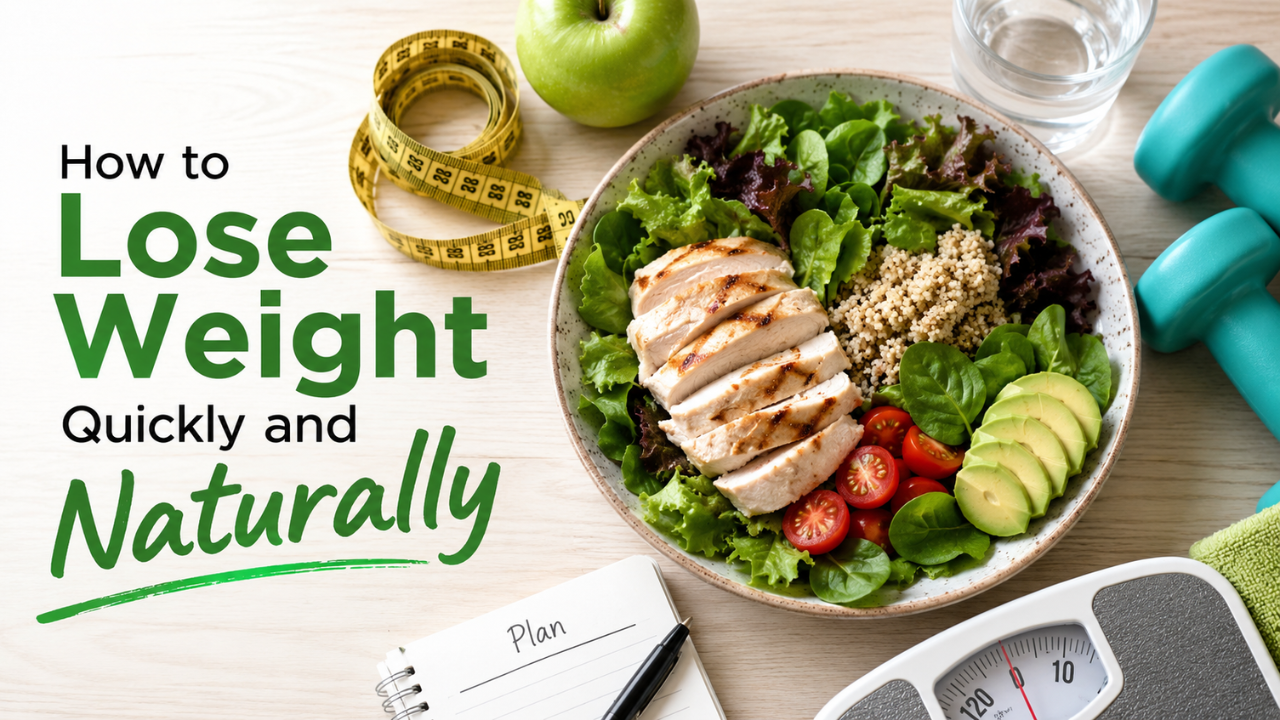
To optimize your weight-loss journey, consider the following additional strategies:
Focus on a Calorie Deficit
The most important factor in weight loss is creating a calorie deficit. This means burning more calories than you consume.
A healthy calorie deficit is approximately 500–750 calories per day. (WHO, 2020)
Follow a Healthy Eating Pattern
Prioritize whole, nutrient-dense foods. Fill your plate with lean protein, high-fiber vegetables and fruits, and moderate portions of complex carbohydrates.
Avoid processed foods, sugary drinks, and foods high in saturated fat.
Stay Physically Active
Combine cardiovascular exercises such as walking, jogging, or swimming with strength training to build muscle mass.
Muscle burns more calories than fat, even while you’re resting.
Indonesia’s Ministry of Health recommends at least 150 minutes of moderate-intensity physical activity per week or 75 minutes of vigorous-intensity physical activity per week.
Get Enough Sleep
Lack of sleep can disrupt the hormones that regulate appetite and metabolism.
Aim for 7–8 hours of quality sleep every night.
Manage Stress
Chronic stress can increase cortisol levels, which may promote fat accumulation around the abdomen.
Find healthy ways to manage stress, such as meditation, yoga, or spending time outdoors.
If the weight-loss tips and methods above do not work for you, or if you have additional questions about a weight-loss program, you may consider using the Halofit by Soxvo diet program.